
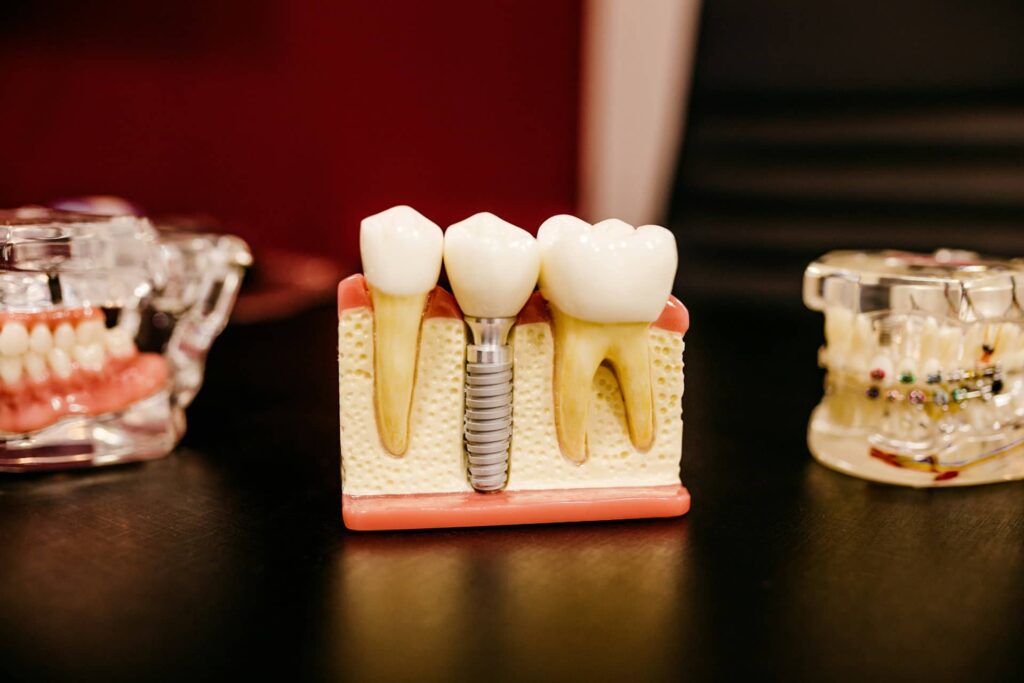
For many people in Curaçao, dental implants are the closest thing to getting your natural teeth back. They feel stable, look natural and help you eat, speak and smile confidently again.
But one of the most common questions we hear at Klinika Dental Sta Rosa is simple: how long do dental implants actually last?
The short answer is that dental implants are designed to last decades. According to the American Dental Association, implants are considered an excellent long-term option and often stay stable for many years.
With the right care, many patients keep them for 25 years or longer, and some never need to replace them at all. Their long lifespan is one of the reasons implants are considered the most reliable long-term solution for missing teeth.
What Makes Dental Implants So Long-Lasting?
A dental implant is made of biocompatible titanium, a material that naturally bonds with the jawbone through a process called osseointegration, as explained in patient information from Allesoverhetgebit.
Once healed, the implant acts like an artificial tooth root, giving your replacement tooth strong support and stability.
Because the implant is anchored in the bone, it doesn’t loosen or shift like a denture. This stability allows implants to withstand everyday chewing forces, making them extremely durable.
How Long Do the Different Parts Last?
A dental implant actually has three parts:
- Implant screw: the titanium post placed in the bone. This is the part that can last a lifetime.
- Abutment: the connecting piece between the implant and the crown.
- Crown: the visible part of the tooth.
The implant screw rarely needs replacement. The crown, however, experiences normal wear and tear over the years.
Most crowns last 10-15 years, depending on your hygiene habits, bite forces and whether you grind your teeth. Replacing a crown is simple and does not affect the implant below.
What Affects the Lifespan of Dental Implants?
Several factors can influence how long your implants last:
1. Oral hygiene
Good brushing and flossing habits help prevent gum inflammation and infection around the implant. Clean gums mean a healthier, longer-lasting implant.
2. Regular dental checkups
Routine visits allow us to check the implant, gums and bone structure. Early intervention, if something changes, helps protect the implant.
3. Lifestyle habits
Smoking, uncontrolled diabetes and teeth grinding can shorten the lifespan of implants. If any of these apply to you, we can help make a plan to improve your implant’s long-term success.
4. Bone health
A healthy, dense jawbone supports the implant better and helps it last longer. This is why our team evaluates bone quality before treatment.
Do Dental Implants Ever Fail?
Implant failure is rare but can happen if the bone does not fuse correctly, or if gum disease develops later on.
The good news is that most problems can be prevented with consistent oral hygiene and regular dental visits. When implants are placed carefully and monitored over time, success rates remain above 95 percent.
Thinking About Dental Implants?
If you’re missing one or more teeth and want a stable, long-term solution, Dental implants may be a good option. Choosing the right implant dentist in Curaçao is an important first step. During a consultation, we look at your teeth, gums and bone, talk about your health, and explain what treatment would look like in your case. That way, you know exactly what to expect before you decide.